The Shift Towards AI in Singapore Audit Services
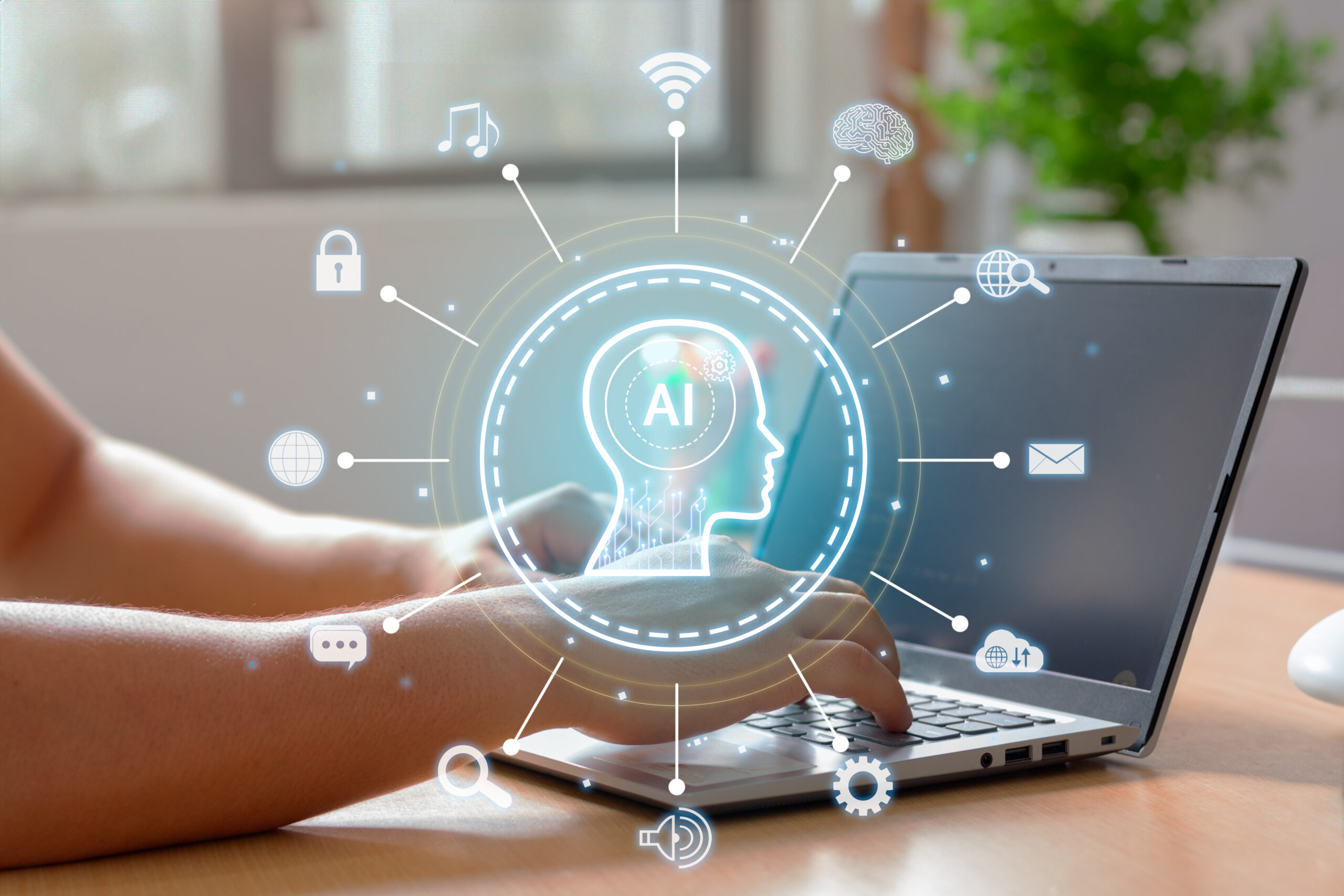
The landscape of Singapore audit services is undergoing a profound transformation as artificial intelligence becomes deeply embedded in financial processes. Traditionally, audits relied heavily on manual sampling, human judgement, and retrospective checks. However, as businesses scale and financial data becomes more complex, the limitations of conventional audit methods are increasingly apparent. AI introduces a new paradigm where auditors can analyse entire datasets rather than selected samples, enabling deeper insights and higher assurance levels. This shift is not merely technological but strategic, positioning Singapore audit services as a forward-looking function that supports decision-making rather than simply validating compliance.
Why AI Adoption Is Accelerating in Singapore
Singapore’s position as a global financial hub has naturally accelerated the adoption of advanced technologies, including AI in audit services. Regulatory bodies and industry leaders are encouraging digital transformation to enhance transparency and governance. Businesses in Singapore are also under pressure to maintain competitiveness, which means adopting efficient and scalable audit processes. AI tools allow audit firms to process large volumes of transactions in real time, identify anomalies quickly, and reduce the risk of human error. This combination of regulatory push and market demand is driving rapid integration of AI into Singapore audit services, making it a standard expectation rather than a future possibility.
How AI Enhances Audit Accuracy and Efficiency
One of the most significant advantages of AI-powered Singapore audit services is the improvement in both accuracy and efficiency. AI algorithms can scan thousands of transactions within seconds, identifying inconsistencies that might be overlooked in manual reviews. Machine learning models continuously improve over time, learning from past audit findings to refine their detection capabilities. This leads to more precise audits and fewer false positives. Additionally, automation reduces the time required to complete audits, allowing businesses to receive insights faster and make timely decisions. The result is a more reliable and efficient audit process that benefits both auditors and clients.
Moving Beyond Sampling to Full Data Analysis
Traditional audit methodologies often rely on sampling, where only a portion of transactions is examined due to time and resource constraints. AI-powered Singapore audit services eliminate this limitation by enabling full population testing. This means every transaction can be analysed, significantly increasing the level of assurance provided. Full data analysis allows auditors to uncover patterns, trends, and risks that would otherwise remain hidden. For businesses, this translates into a more comprehensive understanding of their financial health and potential vulnerabilities. The move towards full data analysis represents a fundamental shift in how audits are conducted in Singapore.
Real-Time Auditing and Continuous Monitoring
AI is enabling a transition from periodic audits to real-time auditing and continuous monitoring. In the past, audits were conducted annually or quarterly, often identifying issues long after they occurred. With AI-powered Singapore audit services, businesses can monitor financial activities continuously, detecting anomalies as they happen. This proactive approach reduces the risk of fraud and financial misstatements. Continuous monitoring also allows companies to maintain compliance more effectively, as issues can be addressed immediately rather than during a formal audit cycle. This evolution is particularly valuable in fast-paced industries where financial data changes rapidly.
The Role of Data Analytics in Modern Audits
Data analytics is at the core of AI-powered Singapore audit services, providing auditors with powerful tools to interpret complex financial information. Advanced analytics techniques such as predictive modelling and pattern recognition enable auditors to identify high-risk areas and focus their efforts accordingly. By leveraging data analytics, audit firms can provide deeper insights into business operations, going beyond compliance to deliver strategic value. This capability is increasingly important as businesses seek to use audit findings not only for regulatory purposes but also for performance improvement and risk management.
Addressing Fraud Detection with AI Capabilities
Fraud detection is a critical component of audit services, and AI significantly enhances this capability. AI-powered Singapore audit services can identify unusual transaction patterns, flag suspicious activities, and detect potential fraud with greater accuracy than traditional methods. Machine learning algorithms analyse historical data to establish normal behaviour patterns, making it easier to spot deviations. This proactive approach to fraud detection helps businesses mitigate risks before they escalate into major issues. As financial crimes become more sophisticated, the use of AI in audit services becomes essential for maintaining trust and integrity.
Compliance and Regulatory Expectations in the AI Era
As AI becomes more prevalent in Singapore audit services, regulatory expectations are also evolving. Authorities are increasingly recognising the benefits of technology in improving audit quality and transparency. However, they also emphasise the importance of maintaining ethical standards and ensuring that AI systems are used responsibly. Businesses must ensure that their audit processes comply with existing regulations while integrating AI technologies. This includes maintaining proper documentation, ensuring data privacy, and validating the accuracy of AI-generated insights. Staying aligned with regulatory requirements is crucial for businesses adopting AI-powered audit solutions.
The Impact on Audit Professionals and Skillsets
The rise of AI in Singapore audit services is reshaping the role of audit professionals. While automation reduces the need for repetitive tasks, it increases the demand for higher-level analytical skills. Auditors are now expected to interpret AI-generated data, provide strategic insights, and understand complex algorithms. This shift requires continuous upskilling and adaptation. Audit professionals must develop expertise in data analytics, technology, and business strategy to remain relevant in an AI-driven environment. For businesses, working with audit firms that possess these capabilities ensures access to more advanced and valuable audit services.
Challenges in Implementing AI in Audit Services
Despite its advantages, the implementation of AI in Singapore audit services comes with challenges. One of the primary concerns is data quality, as AI systems rely on accurate and complete data to function effectively. Inconsistent or poorly structured data can lead to incorrect insights. Additionally, the cost of implementing AI technologies can be significant, particularly for smaller firms. There is also a need to address concerns related to data privacy and cybersecurity. Businesses must carefully evaluate these challenges and work with experienced audit providers to ensure successful integration of AI into their audit processes.
Integration with Cloud Accounting Systems
The integration of AI-powered Singapore audit services with cloud accounting systems is another major development shaping the industry. Cloud platforms provide real-time access to financial data, enabling seamless collaboration between businesses and auditors. AI tools can be integrated into these platforms to automate data analysis and generate insights instantly. This integration enhances efficiency, reduces manual intervention, and ensures that audits are conducted using the most up-to-date information. For businesses in Singapore, adopting cloud-based systems is becoming a prerequisite for leveraging the full potential of AI in audit services.
Preparing Your Business for AI-Driven Audits
Businesses must take proactive steps to prepare for the shift towards AI-powered Singapore audit services. This includes investing in digital infrastructure, ensuring data accuracy, and adopting cloud-based accounting systems. Companies should also work closely with their audit providers to understand how AI will be integrated into their audit processes. Training internal teams to manage and interpret data effectively is equally important. By taking these steps, businesses can ensure a smooth transition to AI-driven audits and maximise the benefits of enhanced accuracy, efficiency, and insights.
Strategic Advantages of AI-Powered Audit Services
AI-powered Singapore audit services offer strategic advantages that go beyond compliance. By providing deeper insights into financial data, AI enables businesses to identify opportunities for growth and improvement. Audit findings can be used to optimise operations, reduce costs, and enhance decision-making. This shift transforms audit services from a regulatory requirement into a valuable business tool. Companies that embrace AI-driven audits are better positioned to compete in a dynamic and increasingly data-driven market.
The Future Outlook for Singapore Audit Services
Looking ahead to 2027 and beyond, AI is expected to become an integral part of Singapore audit services. As technology continues to evolve, audit processes will become more automated, predictive, and integrated with business operations. The role of auditors will continue to shift towards advisory and strategic functions, providing businesses with actionable insights. Companies that adapt to these changes early will gain a competitive advantage, while those that lag behind may struggle to keep up with evolving expectations. The future of audit services in Singapore is undeniably digital, and AI is at the forefront of this transformation.
Why Businesses Should Act Now
The transition to AI-powered Singapore audit services is not a distant future but an ongoing reality. Businesses that delay adoption risk falling behind in terms of efficiency, compliance, and competitiveness. By embracing AI now, companies can enhance their audit processes, reduce risks, and gain valuable insights into their financial performance. Partnering with a forward-thinking audit firm ensures that businesses stay ahead of regulatory changes and technological advancements. As 2027 approaches, the question is no longer whether to adopt AI in audit services, but how quickly businesses can adapt to this new standard.