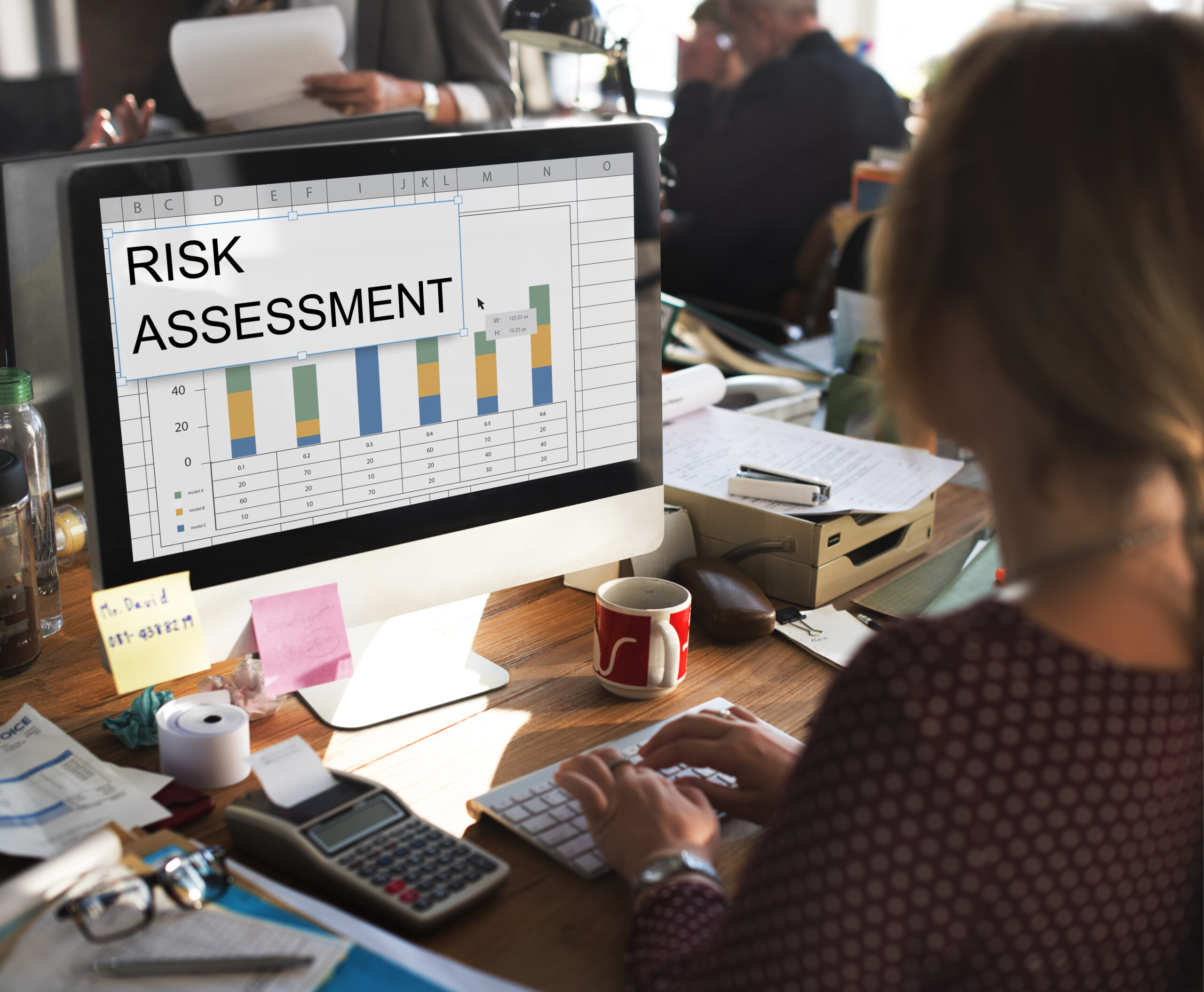
For many companies in Singapore, the annual audit process is viewed as a necessary compliance exercise. However, when audit timelines are extended or unexpected financial adjustments arise, the process can quickly become stressful and disruptive.
Delays affect reporting deadlines, tax filings, management planning, and even stakeholder confidence. Unexpected audit adjustments can impact profitability, cash flow projections, and loan covenants. In more serious situations, they may raise concerns about governance and internal controls.
Professional Audit Services Singapore are designed not only to provide independent assurance but also to ensure that the audit process runs efficiently and predictably. Companies that approach audit preparation strategically can significantly reduce delays and minimise last-minute adjustments.
This article explores the common causes of audit delays, why unexpected adjustments occur, and how businesses can proactively strengthen their audit readiness.
Why Audit Delays Happen
Audit delays rarely occur without warning signs. In most cases, delays stem from inadequate preparation, incomplete documentation, or unresolved accounting issues.
One of the most common causes is late or inconsistent bookkeeping. When financial records are not updated regularly throughout the year, auditors must spend additional time reconciling transactions and verifying balances. This increases audit hours and slows completion.
Another frequent issue involves missing supporting documents. If invoices, contracts, or bank confirmations are unavailable, auditors cannot verify transactions promptly. Each missing document creates additional follow-up queries, extending timelines.
Complex transactions that are not clearly documented also contribute to delays. Revenue recognition policies, related party transactions, and asset acquisitions often require detailed review. Without proper explanations and documentation, audit procedures become more extensive.
Audit Services Singapore operate within regulatory standards that require sufficient audit evidence. If evidence is incomplete or inconsistent, delays are unavoidable.
Understanding Unexpected Audit Adjustments
Unexpected adjustments arise when financial statements require correction during the audit process. These adjustments may affect revenue, expenses, asset valuations, or liabilities.
Common examples include improper revenue recognition, misclassification of expenses, incorrect depreciation calculations, or unrecorded accruals. While some adjustments are minor, others may materially impact financial performance.
In many cases, adjustments occur because accounting policies were not applied consistently throughout the year. For example, revenue from long-term contracts may have been recognised prematurely, or expenses may not have been accrued accurately at year-end.
Audit Services Singapore identify these discrepancies to ensure financial statements present a true and fair view. While adjustments may feel disruptive, they ultimately strengthen reporting accuracy and credibility.
However, frequent or large adjustments can signal weaknesses in internal controls and financial management processes.
The Importance of Year-Round Audit Readiness
One of the most effective ways to reduce audit delays is to treat audit preparation as a continuous process rather than a year-end activity.
Companies that maintain disciplined monthly bookkeeping experience smoother audits. Bank reconciliations, accounts receivable tracking, and expense verification should be performed regularly, not postponed until financial year-end.
Year-round readiness allows finance teams to identify discrepancies early and resolve them before audit commences. This proactive approach significantly reduces the likelihood of material adjustments.
Audit Services Singapore function most efficiently when financial records are organised, reconciled, and supported by documentation.
Strengthening Internal Controls
Strong internal controls are central to reducing audit complications. When processes for approving transactions, recording entries, and reconciling accounts are clearly defined, errors are minimised.
Segregation of duties is particularly important. When one individual handles authorisation, recording, and reconciliation of transactions, the risk of error or fraud increases. Implementing checks and balances enhances reliability.
Documented accounting policies also help ensure consistency. If policies for revenue recognition, depreciation, inventory valuation, and expense accrual are clearly defined, finance teams apply them consistently across reporting periods.
Audit Services Singapore evaluate internal controls as part of the audit process. Companies with robust control systems typically experience fewer audit queries and faster completion.
Improving Documentation Practices
Incomplete documentation is one of the primary causes of audit delay. Each transaction must be supported by verifiable evidence.
Companies should implement structured documentation systems. Digital storage of contracts, invoices, and payment records improves accessibility and reduces retrieval time during audit.
Board resolutions, shareholder agreements, and related party transaction documentation should be organised systematically. When auditors request information, timely responses maintain audit momentum.
Clear documentation reduces uncertainty and limits the need for additional verification procedures.
Revenue Recognition Accuracy
Revenue is often the most scrutinised area during audit. Inaccurate revenue recognition can significantly distort financial results.
Companies should ensure revenue is recognised in accordance with applicable accounting standards. This requires careful evaluation of performance obligations, delivery terms, and contractual conditions.
If revenue recognition practices are ambiguous or inconsistently applied, auditors must perform additional testing. This extends audit timelines and may lead to adjustments.
Professional Audit Services Singapore provide guidance on aligning revenue policies with regulatory requirements, reducing the risk of restatement.
Managing Year-End Cut-Off Procedures
Cut-off errors are common sources of audit adjustments. Transactions occurring near financial year-end must be recorded in the correct accounting period.
Sales recorded prematurely or expenses deferred incorrectly distort financial statements. Accurate cut-off procedures require coordination between finance, operations, and sales teams.
Establishing clear year-end instructions and conducting internal reviews before audit begins helps minimise these issues.
Audit Services Singapore frequently identify cut-off discrepancies when companies lack structured year-end processes.
Communication Between Management and Auditors
Effective communication plays a crucial role in reducing delays. Early engagement with auditors allows companies to understand documentation requirements and expected timelines.
Scheduling planning meetings before year-end enables auditors to identify potential risk areas. Management can then prepare supporting documentation in advance.
Delays often occur when responses to audit queries are slow or incomplete. Allocating dedicated personnel to manage audit communications ensures timely resolution of questions.
Audit should be viewed as a collaborative process rather than an adversarial one. Open dialogue facilitates smoother execution.
Technology and Accounting Systems
Modern accounting software enhances transparency and efficiency. Automated reconciliations, real-time reporting, and secure document storage reduce manual errors.
Companies relying on outdated systems may face greater audit complexity due to inconsistent data or fragmented records.
Investing in reliable accounting systems improves data integrity and simplifies audit procedures. Audit Services Singapore integrate more efficiently with structured digital records than with manual systems.
Addressing Prior-Year Audit Findings
Companies should treat prior-year audit findings as opportunities for improvement. If auditors previously highlighted internal control weaknesses or process inefficiencies, management should address them promptly.
Failure to remediate prior findings may lead to recurring adjustments and extended audit testing.
Demonstrating responsiveness to audit recommendations signals strong governance and commitment to improvement.
Planning the Audit Timeline
Audit planning should begin well before financial year-end. Agreeing on timelines, deliverables, and responsibilities ensures alignment.
Companies should prepare preliminary financial statements early and conduct internal reviews before submitting them for audit.
Avoiding last-minute financial statement preparation significantly reduces pressure and error risk.
Professional Audit Services Singapore operate within regulatory deadlines. Collaborative scheduling ensures compliance with filing obligations.
The Cost of Audit Delays
Delays in audit completion can have broader consequences. Annual return filings, tax submissions, and shareholder reporting may be affected.
For companies seeking financing or investment, delayed audited financial statements can undermine credibility.
Unexpected adjustments may also affect management performance assessments and bonus calculations.
Reducing audit disruption protects operational stability and stakeholder confidence.
Proactive Engagement with Audit Services Singapore
Companies that engage experienced Audit Services Singapore providers benefit from structured guidance throughout the financial year.
Proactive advisory support includes reviewing accounting policies, assessing internal controls, and identifying high-risk areas before year-end.
This partnership approach reduces uncertainty and ensures financial reporting integrity.
Rather than reacting to audit findings, companies can anticipate and address issues early.
Conclusion
Audit delays and unexpected adjustments are not inevitable. They are typically the result of inadequate preparation, weak internal controls, inconsistent accounting policies, or incomplete documentation.
Professional Audit Services Singapore play a critical role in strengthening financial reporting, but companies must also commit to year-round readiness.
By maintaining disciplined bookkeeping, implementing strong internal controls, organising documentation systematically, and communicating proactively with auditors, businesses can significantly reduce audit disruption.
Audit should not be viewed as a stressful annual event. When approached strategically, it becomes a valuable process that enhances governance, improves transparency, and reinforces stakeholder confidence.
Companies that invest in structured preparation experience smoother audits, fewer adjustments, and stronger financial credibility.